Air Fryer Salmon - ClearPick Digest Guide

Air Fryer Salmon

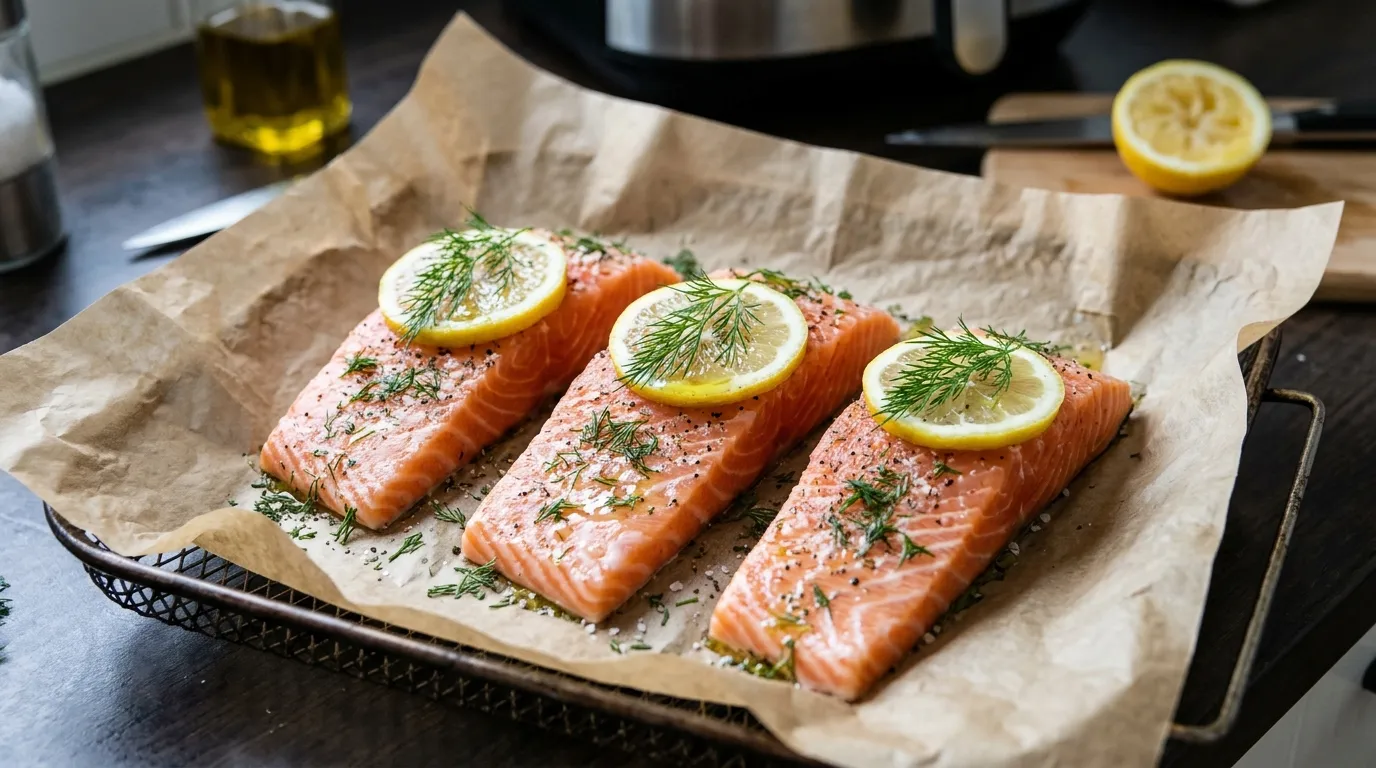
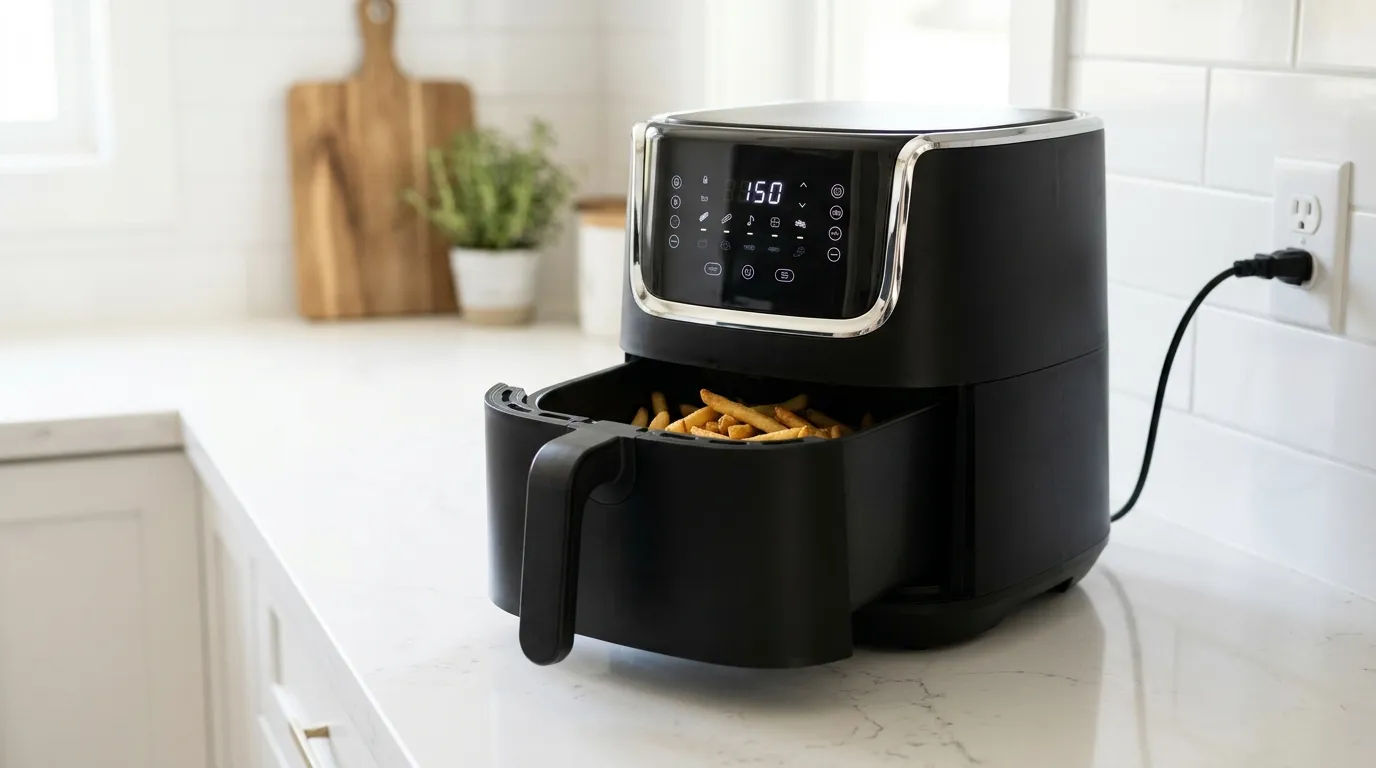
Disclosure: ClearPick Digest is supported by its readers. If you buy through links on this page, we may earn a commission at no extra cost to you. Read our affiliate disclosure. Executive Summary Cook Time & Temp: A standard 6-ounce salmon filet cooks to tender perfection at 400°F (204°C) in just 7 to 9 minutes, eliminating the long preheat cycles of traditional ovens. Moisture Control: Thoroughly drying the filet surface before lightly brushing with high-smoke-point oil ensures a crisp exterior while preventing protein breakdown. Thermal Doneness: Pull the fish when the thickest section registers between 125°F and 130°F for medium doneness; residual carryover heat will finish the cooking without pushing out dry white albumin. Why Convection Heating Delivers Superior Salmon Cooking delicate seafood in a standard conventional oven often leads to a frustrating trade-off: either the exterior lacks color, or the interior dries out during the prolonged bake time. An air fryer solves this through intense, concentrated convection circulation. The high-velocity heating element rapidly evaporates surface moisture while rendering the subcutaneous fat layer, creating a crisp, caramelized exterior within minutes. ...
October 27, 2026 · 5 min · ClearPick Digest
Air Fryer vs Convection Toaster: Which Uses Less Electricity? - ClearPick Digest Guide

Air Fryer vs Convection Toaster: Which Uses Less Electricity?

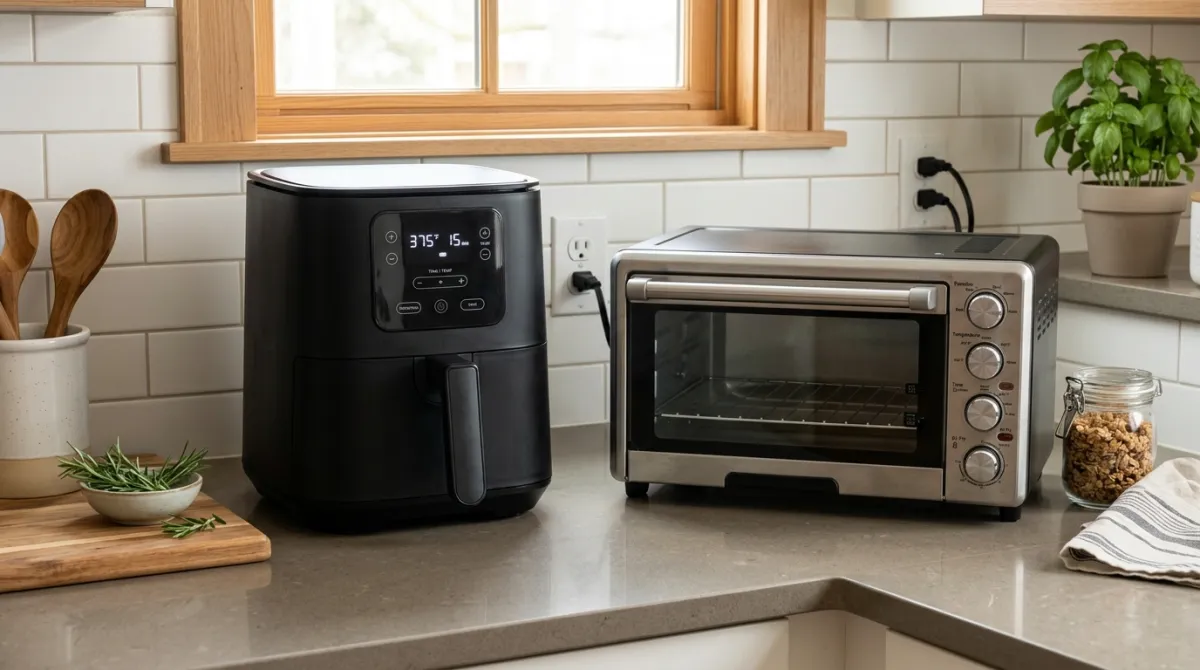
Disclosure: ClearPick Digest is supported by its readers. If you buy through links on this page, we may earn a commission at no extra cost to you. Read our affiliate disclosure. Executive Summary Wattage is comparable, but duration differs: Most air fryers and convection toaster ovens draw between 1,400 and 1,800 watts, but air fryers typically cook small batches 20% to 30% faster due to high-velocity airflow. Volume determines efficiency: Air fryers use significantly less electricity for single-to-double servings, whereas convection toaster ovens consume less energy per portion when cooking larger family meals on multiple racks. Preheating makes the biggest difference: Air fryers reach peak cooking temperature in under two minutes, cutting idle energy draw compared to the larger cavity of a convection toaster. The Core Math: Wattage vs. Total Cooking Duration When analyzing air fryer vs convection oven power consumption, rated wattage only tells half the story. Both appliances typically run on a standard 120-volt household circuit, pulling between 1,400 and 1,800 watts at peak load. ...

October 26, 2026 · 5 min · ClearPick Digest
Air Fryer - ClearPick Digest Guide

Air Fryer

Disclosure: ClearPick Digest is supported by its readers. If you buy through links on this page, we may earn a commission at no extra cost to you. Read our affiliate disclosure. Executive Summary Airflow Drives Crispness: Air fryers rely on concentrated convection heat and high-velocity circulation, reducing cooking times by up to 30% compared to conventional ovens. Surface Area Dictates Texture: Overcrowding traps evaporating steam; cooking in spaced batches produces significantly crispier results than filling the basket to capacity. Coating Care Extends Life: Avoiding propellant-based cooking sprays and hand-washing nonstick baskets preserves appliance longevity and prevents peeling. How Air Fryers Work: Convection Physics on Countertops An air fryer functions as an ultra-compact convection chamber. A concentrated heating coil suspended directly above a perforated basket pairs with a high-speed top-mounted fan. When active, this fan drives superheated air downward, around, and under the food before cycling it back up. ...

October 26, 2026 · 5 min · ClearPick Digest
Baked Potato in Air Fryer - ClearPick Digest Guide

Baked Potato in Air Fryer

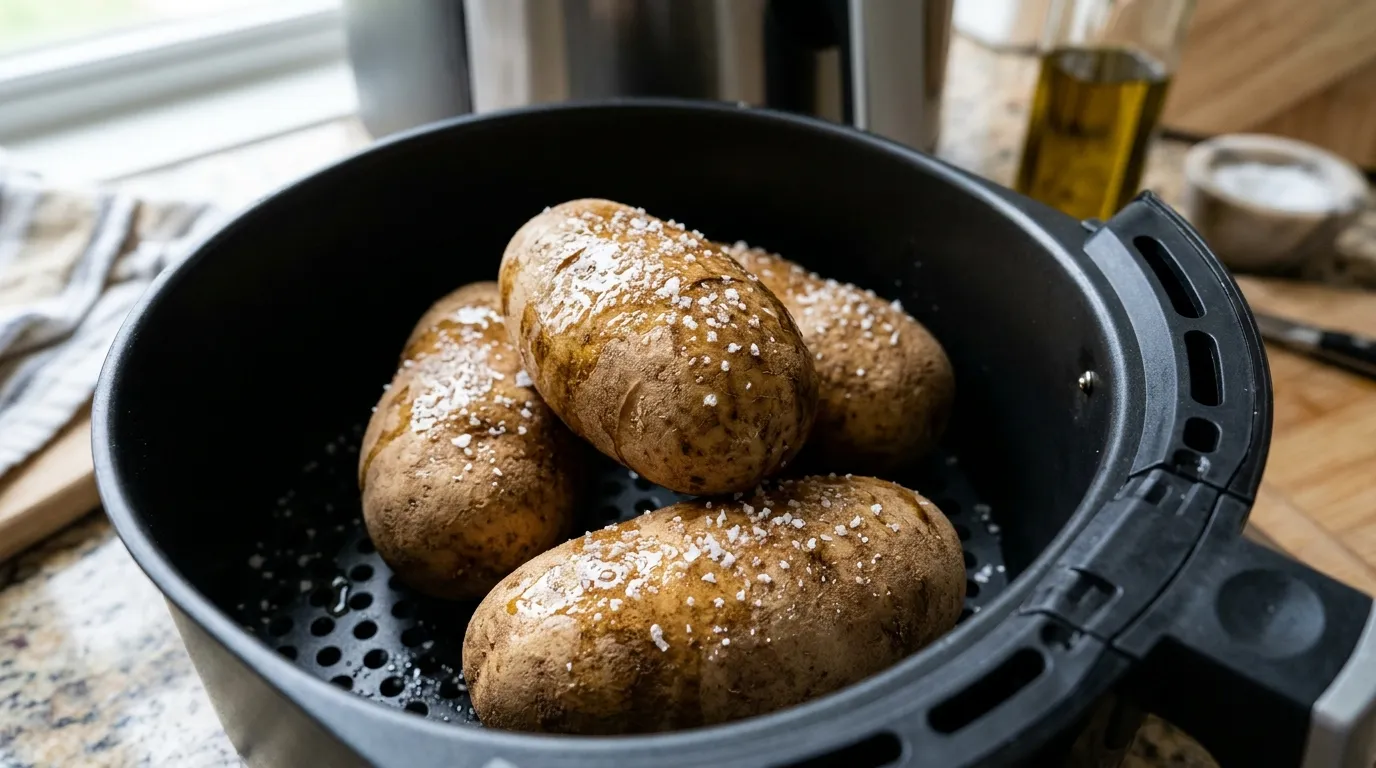
Disclosure: ClearPick Digest is supported by its readers. If you buy through links on this page, we may earn a commission at no extra cost to you. Read our affiliate disclosure. Executive Summary Saves Time and Energy: Making a baked potato in an air fryer reduces cooking time by roughly 25–30% compared to a conventional oven, pulling far fewer kilowatts in the process. Superior Texture Contrast: Rapid convection airflow dehydrates surface moisture instantly, yielding blistered, salted skin while preserving a pillowy, fully gelatinized starch interior. Precise Target Metrics: The sweet spot for medium-to-large Russets is 400°F (200°C) for 40 to 45 minutes, aiming for an internal core temperature between 205°F and 210°F (96°C to 99°C). The Physics of Air-Frying Potatoes vs. Conventional Baking Standard wall ovens rely largely on radiant heat and natural convection, which disperses energy across a large cavity. This sluggish thermal transfer means a whole russet potato takes up to an hour and fifteen minutes to bake through, often trapping surface humidity that softens the outer peel. ...

October 25, 2026 · 6 min · ClearPick Digest
How to Build a Simple Evening Routine for Better Sleep - ClearPick Digest Guide

How to Build a Simple Evening Routine for Better Sleep

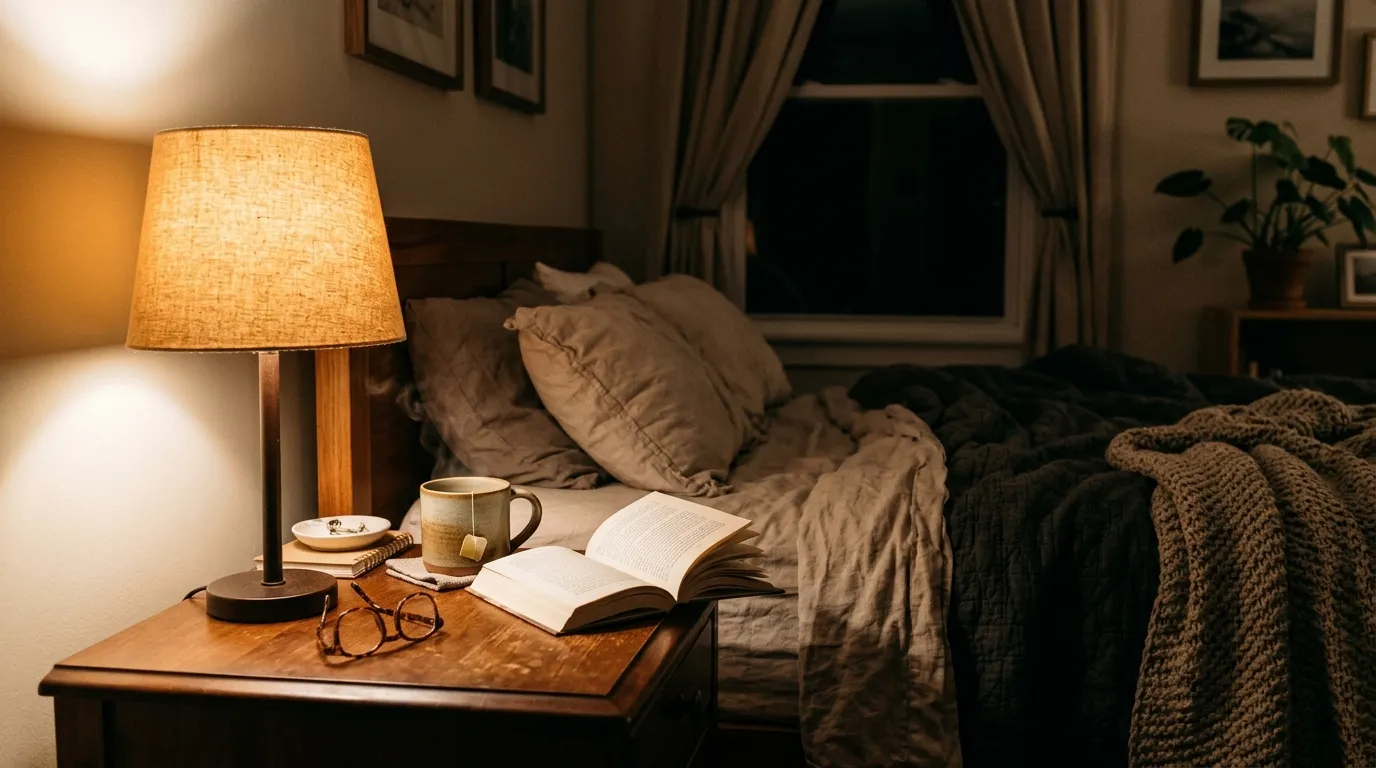
Disclosure: ClearPick Digest is supported by its readers. If you buy through links on this page, we may earn a commission at no extra cost to you. Read our affiliate disclosure. Executive Summary Light and temperature drive the transition: Melatonin release relies on declining ambient lux levels and a natural drop in core body temperature during the final hour of your evening. Keep the sequence friction-free: An effective evening routine for better sleep should take between 30 and 45 minutes; over-complicated 10-step rituals increase cognitive load instead of reducing it. Separation creates closure: Establishing a definitive mental boundary between daytime workspace stress and night rest stops the autonomic nervous system from lingering in a fight-or-flight state. The Biology of Winding Down: Light, Temperature, and Cortisol Deep, restorative sleep is not an on-off switch—it is a physiological descent that begins hours before your head hits the pillow. When your evening signals remain high in blue spectrum illumination, task urgency, and cognitive processing, your brain interprets the environment as midday. Cortisol remains elevated, stalling the pineal gland’s secretion of melatonin. ...

October 25, 2026 · 6 min · ClearPick Digest
How to Choose a Reusable Water Bottle for Hiking and Travel - ClearPick Digest Guide

How to Choose a Reusable Water Bottle for Hiking and Travel

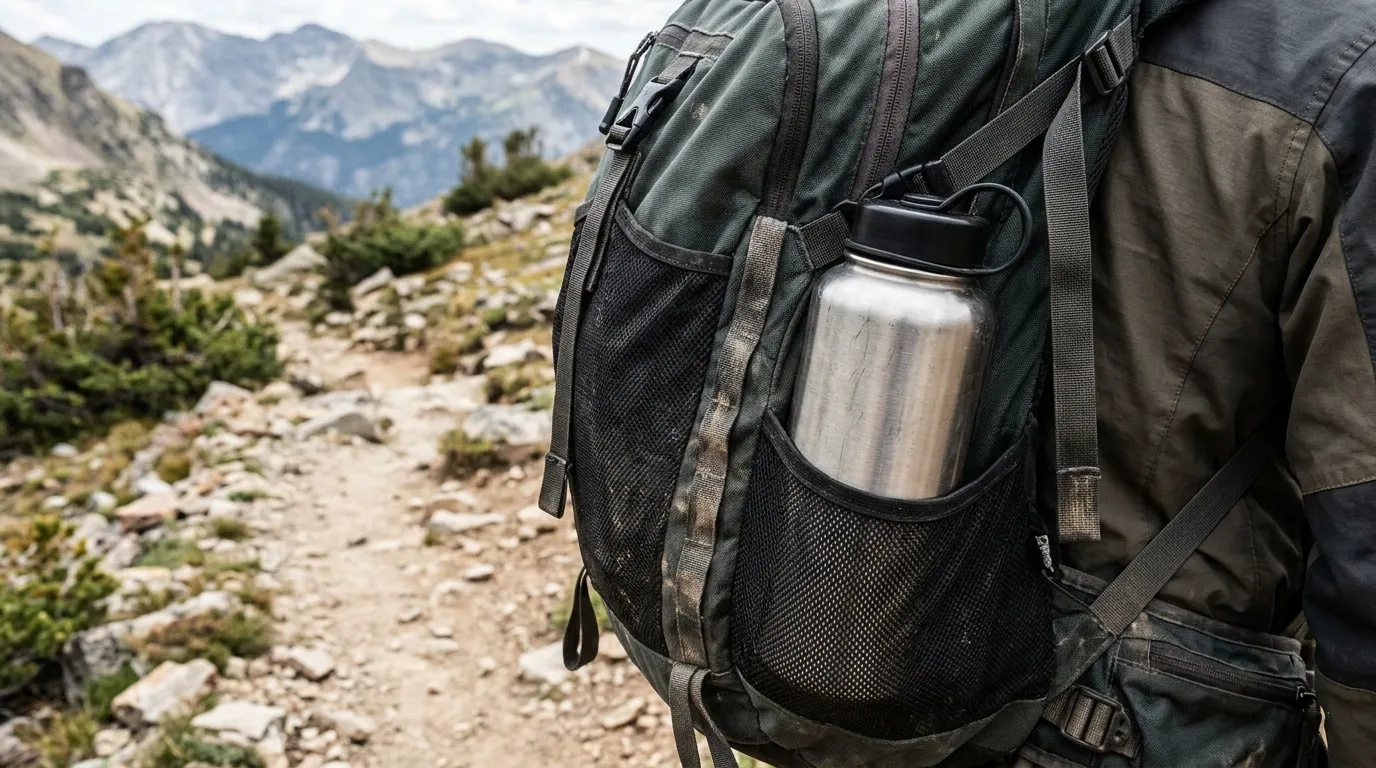
Disclosure: ClearPick Digest is supported by its readers. If you buy through links on this page, we may earn a commission at no extra cost to you. Read our affiliate disclosure. Executive Summary Prioritize your payload: Ultralight backpackers benefit most from BPA-free plastics or flexible TPU flasks, while daily hikers and travelers often prefer the dent resistance of stainless steel or the featherweight strength of titanium. Check filtration compatibility: If you plan to drink from backcountry streams, standard wide-mouth threads pair seamlessly with most popular squeeze and pump filters. Match bottle profile to your gear: A bottle that slips easily into an airline seatback pocket or backpack side sleeve prevents dropped gear and uneven pack balance. 1. Material Showdown: Stainless Steel, Plastic, or Titanium? The first decision when you choose a reusable water bottle for hiking is selecting the base material. Every option introduces a specific trade-off between tare weight, thermal performance, and physical resilience. ...

October 24, 2026 · 5 min · ClearPick Digest
How to Clean a Humidifier to Prevent Mold and Buildup - ClearPick Digest Guide

How to Clean a Humidifier to Prevent Mold and Buildup

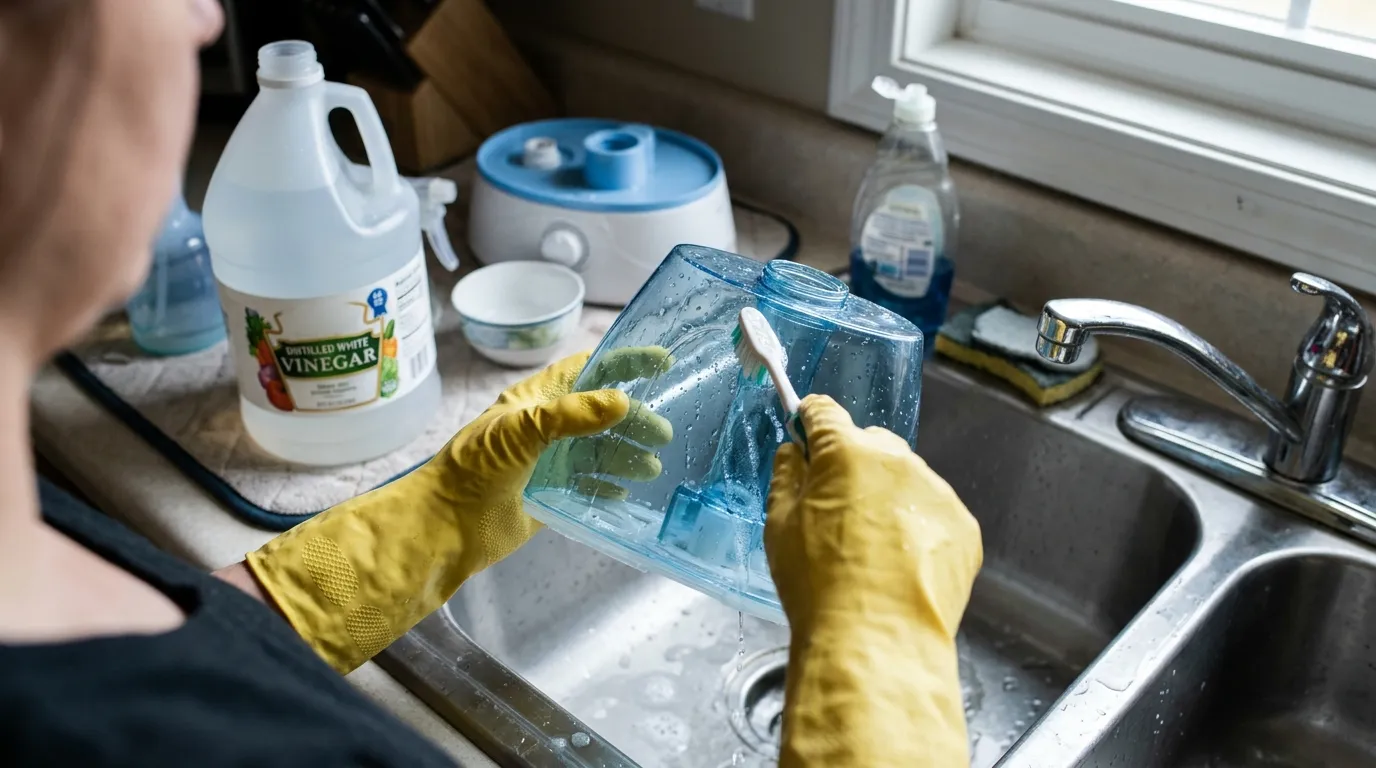
Disclosure: ClearPick Digest is supported by its readers. If you buy through links on this page, we may earn a commission at no extra cost to you. Read our affiliate disclosure. Executive Summary Never mix chemicals: Descale with undiluted distilled white vinegar first, rinse thoroughly, and only then disinfect with hydrogen peroxide or diluted bleach if necessary. Dismantle completely: Mold colonies conceal themselves under silicone gaskets, inside mist nozzles, and within base reservoirs where water pools undisturbed. Air dry entirely: Mechanical scrubbing removes active spores, but letting components sit completely dry in direct sunlight or circulating air prevents regrowth. Why Humidifiers Breed Mold and What Supplies You Need A humidifier combines three factors that fungal spores require to thrive: stagnant moisture, room temperature warmth, and porous mineral deposits that serve as microscopic anchors. When hard tap water evaporates or nebulizes into mist, it leaves behind calcium and magnesium scale. This crusty white residue—often called scale or lime—traps bacteria and black or pink mold (Rhodotorula rubra), turning your wellness device into a spore dispersion system. ...

October 24, 2026 · 6 min · ClearPick Digest
How to Fix a Smart Home Device That Keeps Disconnecting From Wi-Fi - ClearPick Digest Guide

How to Fix a Smart Home Device That Keeps Disconnecting From Wi-Fi

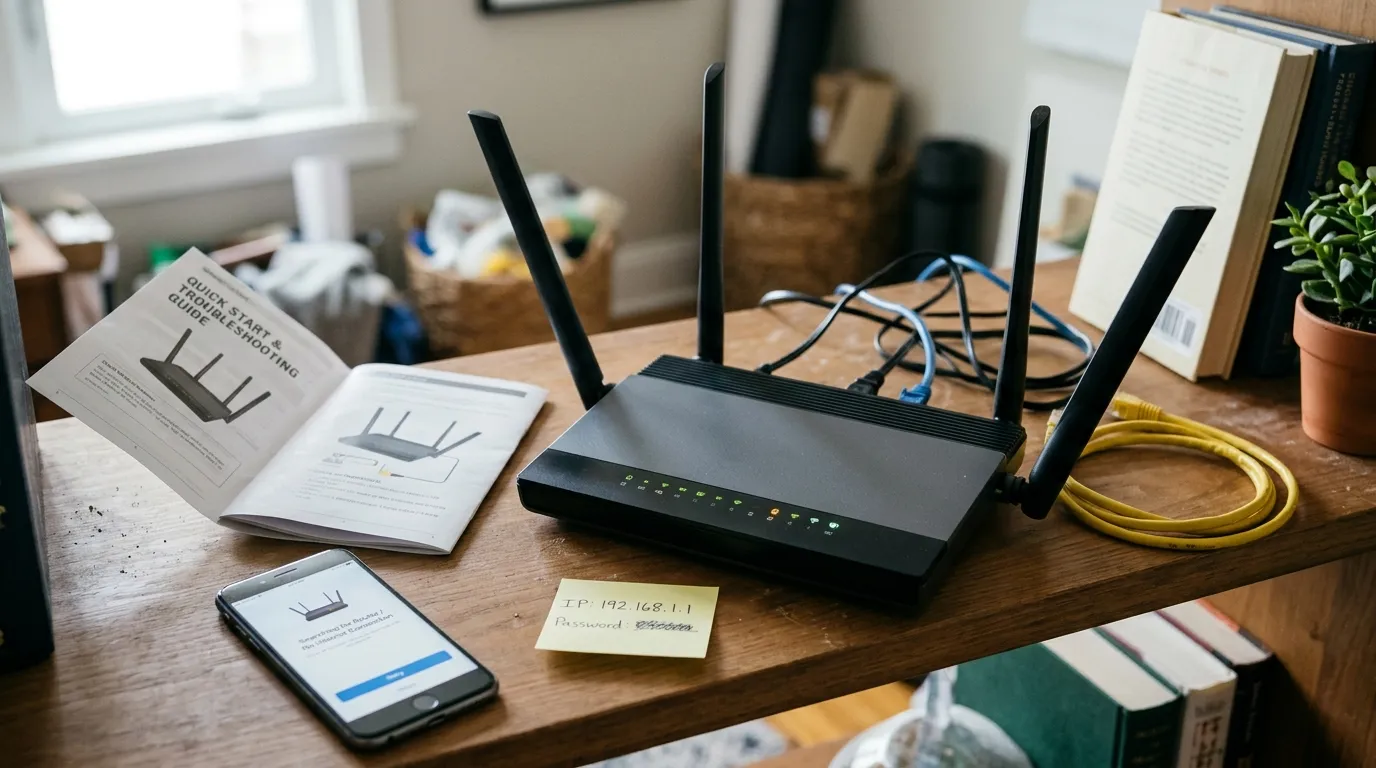
Disclosure: ClearPick Digest is supported by its readers. If you buy through links on this page, we may earn a commission at no extra cost to you. Read our affiliate disclosure. Executive Summary Band isolation matters: Most low-power IoT gear cannot negotiate band steering; splitting your router’s 2.4 GHz and 5 GHz networks prevents constant dropouts. DHCP lease expiration is a silent culprit: Assigning reserved DHCP addresses (static IPs) eliminates handshake failures during router lease renewals. Client limits trigger random reboots: Standard ISP gateways often drop smart devices once total concurrent connections exceed 30–40 clients. Separate Your 2.4 GHz and 5 GHz Wi-Fi Bands The overwhelming majority of smart plugs, smart bulbs, sensors, and budget security cameras rely solely on the older 2.4 GHz wireless frequency. Modern routers frequently feature a setting called “Smart Connect” or “Band Steering,” which combines the 2.4 GHz and 5 GHz bands under a single network name (SSID). ...

October 23, 2026 · 5 min · ClearPick Digest
How to Keep Small Kitchen Counters Free of Appliance Clutter - ClearPick Digest Guide

How to Keep Small Kitchen Counters Free of Appliance Clutter

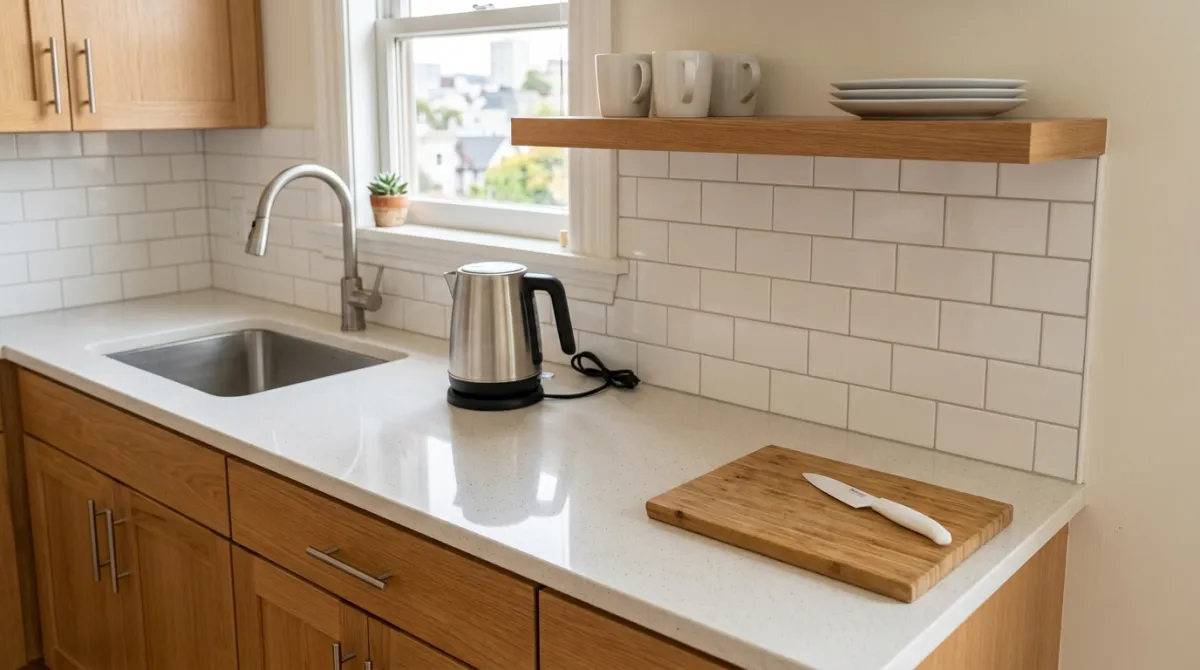
Disclosure: ClearPick Digest is supported by its readers. If you buy through links on this page, we may earn a commission at no extra cost to you. Read our affiliate disclosure. Executive Summary The 24-Hour Rule: Only keep appliances on the counter if you use them at least once every 24 hours; everything else belongs in designated storage. Go Vertical & Deep: Maximize underutilized spaces like deep pull-out drawers, vertical pantry shelving, and appliance garages to keep bulky items out of sight. Consolidate and Streamline: Replace single-purpose gadgets with high-quality multi-functional appliances to cut down on physical footprint and cord chaos. The “Daily Use” Audit: Deciding What Stays and What Goes The biggest hurdle to successful small kitchen counter appliance organization is emotional attachment to underutilized gadgets. Before buying organizers or shifting shelves, you must conduct a rigorous appliance audit. ...

October 23, 2026 · 5 min · ClearPick Digest
How to Pack a Carry-On for a One-Week Trip - ClearPick Digest Guide

How to Pack a Carry-On for a One-Week Trip

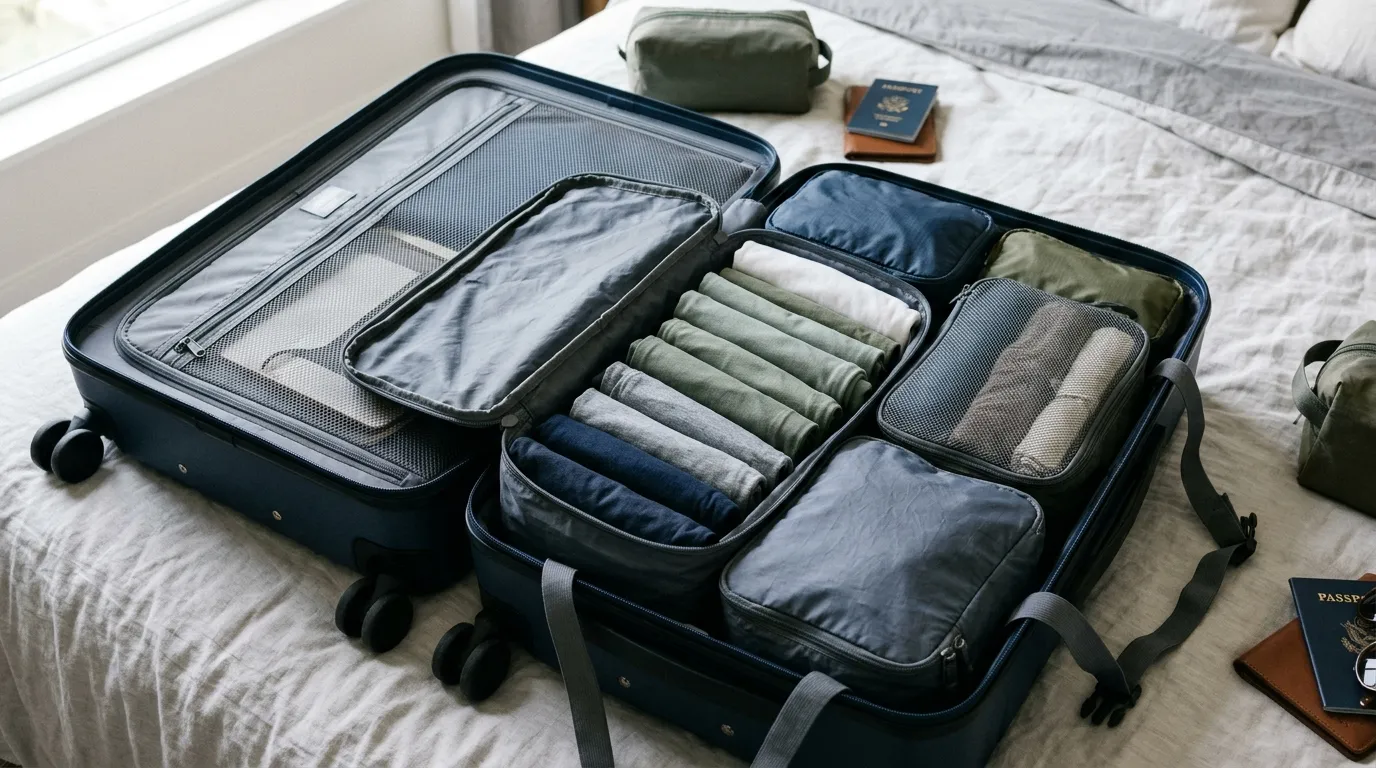
Disclosure: ClearPick Digest is supported by its readers. If you buy through links on this page, we may earn a commission at no extra cost to you. Read our affiliate disclosure. Executive Summary Adopt the 5-4-3-2-1 Capsule Rule: Build your outfit rotation around interchangeable, moisture-wicking neutrals to maximize daily combinations without packing bulk. Leverage Dual-Sided Compression: High-density compression packing cubes cut apparel volume by up to 40% while automatically separating clean and dirty garments. Transit Bulky Items First: Wear your heaviest outer layer and primary walking shoes on the plane to keep your bag well under standard airline weight limits. Selecting the Right Luggage Architecture Successfully fitting seven days of apparel and gear into overhead storage requires the right balance of volume, structure, and accessibility. Standard domestic and international carry-on dimensions generally hover between 21 and 22 inches in height, yielding an internal capacity of roughly 35 to 45 liters. ...

October 22, 2026 · 5 min · ClearPick Digest